About Us
Pet Link-up charitable trust for animals - background
Julie Prinsloo and I (Susan Spencer) registered Pet Link-up, a charitable Trust, in 2005. The two of us had started rescuing and rehoming animals twenty years before that but decided to make it official. We were based in Pretoria just north of Onderstepoort Veterinary University.
Rescued, trained and rehomed thousands of dogs
.JPG)
.jpg)
.jpg)
.jpg)
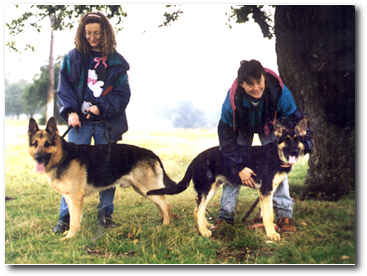
We have rescued, trained and re-homed thousands of dogs - many of them from the South African police who used to sell their unwanted dogs at public auctions. They now send these dogs to the SPCA where most are euthanased. We have never euthanased a single dog (or any animal) and found homes for every single one. (With the exception of two who are still with us.) We funded ourselves by asking a training fee for the dogs as well as the sterilization fee (and whatever we had paid for the dogs in the case of the police dogs). We had about 200 dogs at a time on our farm in Pretoria, all in camps with stone houses with thatch rooves. It was a massive job to dip and deworm and feed and train so many dogs and keep their camps clean and do all the administration, but Julie and I managed with the help of one worker.
We became brilliant dog trainers
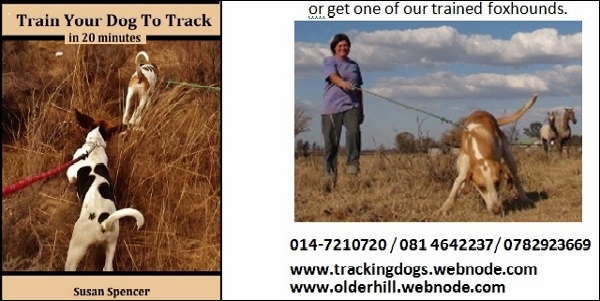
Through necessity, there being so many dogs to train and only two of us to do it, our training methods became near- miraculous and we were able to train dogs who had never been on leads before to do good tracking in 20 minutes! And good obedience in 20 minutes. And good attack work very fast depending on the dog. Many of the dogs we trained to track helped their owners catch criminals, including rhino poachers.
Rescued horses, cats and pet pigs
.jpg)
.jpg)
.jpg)
.jpg)
Sterilized other people's pets and feral cats
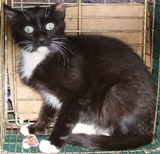
Forced to abandon our Pretoria farm
.jpg)
.jpg)
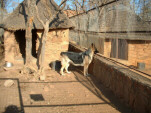
In 2010 we were forced to move from our beautiful farm in Pretoria because we had been targeted for a farm attack and had been tormented by thieves for two years before that. We had to patrol 4kms of fencing day and night as well as do a full day's work with all the animals. When our animals started getting poisoned we gave up and left. We moved to the Waterberge and had to build camps and dogs houses and stables etc from scratch. Moving all the animals here over such a long distance was as big a task as Noah's I think! Up to today we have not yet sold our Pretoria farm and this has been a huge financial strain on us.
Self-funded
Up to today we have funded our activities completely ourselves. The only help that we've had is that from one dog food company who gave us returned bags of dog and cat food for many years. Sadly they have moved their operation and we no longer get their food. One very nice family who got a little mongrel from us also gave us regular donations.
While we were in Pretoria we supported ourselves easily by adding training fees to the many dogs being rehomed, selling our magnificant Olderhill german shepherd puppies and selling our miniature pet pigs. Since moving to a remote area in the mountains we have not had this income. We don't take dogs in for training and rehoming; we only breed one or two litters of our Olderhills a year as we don't want to breed more; and we struggle to sell our miniature 'teacup' pigs because we are remote and also because fraudsters dominate the market. (They claim that their fully grown pigs are the size of house cats and jack russels - which is nonsence - and the public believes them. We tell people the truth which they don't want to hear and they then buy from the fraudsters!)
We have still not been able to sell our Pretoria farm as it is right next to a township, and so have spent all the money saved over 30 years to buy a new property and build it up to house all our animals. Having so many animals to feed and no real income is pretty scary, so we have now opened a bank account for Pet Link-up and are asking businesses for sponsorship for the first time ever.
Our activities in our new home
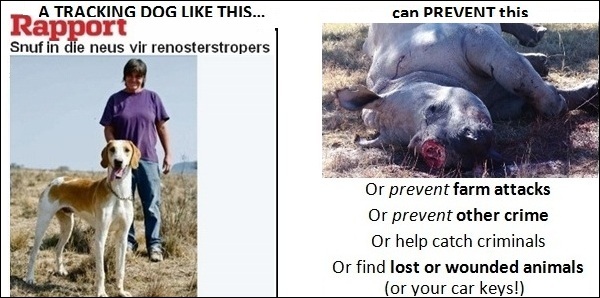
In the five years since then we have indeed taken very few dogs and cats in but we have gathered a herd of horses rescued from starvation. We have sterilized and treated other people's animals when they haven't been able to afford it. We have been helping township donkeys used to pull carts. And we have been dragged out of retirement from training dogs by becoming involved with personally catching rhino poachers and other criminals with our tracking foxhounds, and teaching other people to do the same.
Catching rhino poachers - sometimes before they kill
Helping township donkies
.jpg)
.jpg)
.jpg)
Rescuing starving horses
.jpg)
 (2).jpg)
.jpg)
.jpg)
